Combat System Explained - Parry, Ghoststep & Sha-Chi
Deep dive into Phantom Blade Zero's combat: Brutal and Killer moves, the Sha-Chi gauge, Breached state, Phantom Edges, and weapon class strategy.
FAQ
What is the difference between parry and Ghoststep in Phantom Blade Zero?
What happens when Sha-Chi runs out?
What are Phantom Edges in combat?
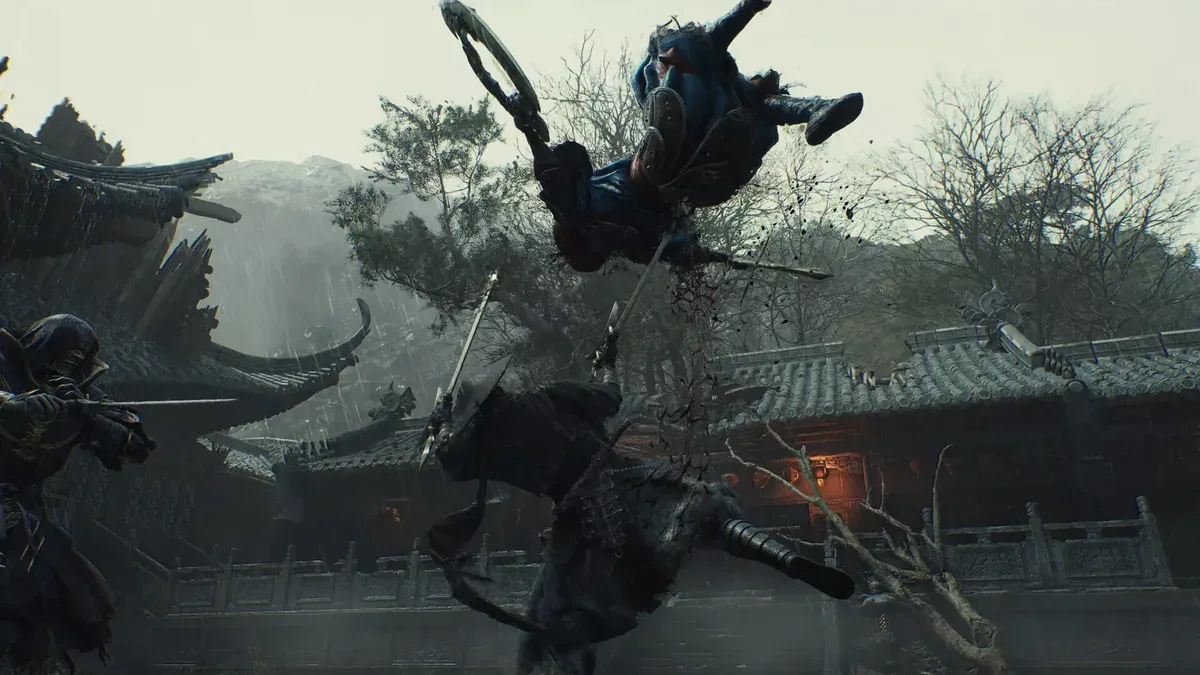
Phantom Blade Zero’s marketing promises combat that feels like starring in a 1990s kung fu film, and mechanically that promise is built on three pillars: a two-color defensive language, a single hybrid resource called Sha-Chi, and a toolbox of Phantom Edges. This guide explains how they interlock.
The Two-Color Language
Every meaningful attack an enemy throws is one of two types, telegraphed by a colored flash:
Brutal Moves — Blue Flash
Blockable and parryable. The parry is the star here:
- Parry (L1 on PS5, Q on PC) costs nothing and is the game’s core skill expression.
- A successful parry builds your Sha-Chi gauge and staggers the attacker, creating your main damage windows.
- Plain blocking also works but drains Sha-Chi fast — it is the emergency option, not the plan.
Killer Moves — Red Flash
Unblockable and unparryable. The only correct answer is Ghoststep (R1 on PS5, E on PC):
- A well-timed Ghoststep phases Soul through the attack and briefly slows time, opening the largest punish windows in the game.
- Ghoststepping away from tracking attacks often still gets clipped; step through the attacker.
Fights become a rhythm game: read blue, parry; read red, step. Bosses escalate by chaining these in longer and faster strings — our boss guides break down the patterns that matter.
Sha-Chi: One Gauge for Everything
Sha-Chi replaces the traditional pile of separate resources (stamina, mana, focus):
- Blocking drains it.
- Heavy attacks and Phantom Edge specials spend it.
- Parrying builds it.
- Hitting zero makes you Breached — guard shattered, bonus damage taken, until it refills.
This economy is the real difficulty of Phantom Blade Zero. Because defense and offense share one pool, every blocked hit is damage you cannot later deal. The optimal loop is deliberately obvious once you see it: parry to gain resources, then cash out with heavy attacks and Edges. If you find yourself chronically Breached, the fix is almost always “parry more, block less.”
Phantom Edges: Your R2 Toolbox
Phantom Edges are equipable tools with R2 activations. Confirmed launch examples:
- Hunter’s Chain Sickle — grapples Soul across gaps; in combat it creates punishes after dodged charges. Tempered with the Alloyed Scythe Blade, it gains Bleed build-up. See the Hunter’s Chain Sickle guide.
- Illusory Pipa — repaired from three scattered parts, it clears mist barriers that hide areas like the Mountain of Imprisonment. The hunt starts in the Six Paths Warrant walkthrough.
- Flying Dagger — earned through the Quick Hand Zhang treasure questline, a ranged pressure option.
Edges cost Sha-Chi in combat, so treat them as combo finishers, not openers.
Weapon Classes and Stance Switching
With 55 weapons across classes — longswords, twin blades, spears and polearms, hammers and gauntlets, and projectile weapons — switching mid-loadout matters more than grinding one stat stick:
- Longswords — balanced reach and speed; the safest learning class.
- Twin blades — fastest strings, best for squeezing punishes into tight windows.
- Spears/polearms — range control against aggressive enemies.
- Hammers/gauntlets — slow, massive hits that end fights when you own the stagger.
- Projectiles — ranged pressure and status application.
Soul Tempering upgrades individual weapons with unique abilities, so your class choice plus your tempered kit defines your build. The early standout is the Bleed package: Jagged Steel (bleeds through blocks after tempering) plus the Chain Sickle’s Gleaming Hook.
Putting It Together: The Optimal Loop
- Bait or wait for a blue flash → parry → gain Sha-Chi, stagger the enemy.
- On red flashes → Ghoststep through → slow-time punish window.
- Spend accumulated Sha-Chi on heavy attacks and an Edge special.
- Disengage before the gauge empties; never fight in Breached range.
- Against bosses, add phase checkpoints and the specific string reads from our All Bosses roster.
Frequently Asked Questions
Is Phantom Blade Zero combat like Sekiro? The parry focus and posture-like pressure are comparable, but Sha-Chi’s shared economy and the Ghoststep answer to unblockables make it faster and more combo-driven than Sekiro.
Can you play Phantom Blade Zero without parrying? Blocking exists, but Sha-Chi drain makes pure-blocking builds self-defeating on harder difficulties. Story Mode lowers the demand if you want a narrative-first run.
How do I get better at parry timing? React to the color flash, not the animation wind-up. The Rematch mode against early bosses is the best training ground.
Source: official pre-release materials and community-verified launch day data (October 29, 2026). Numeric values are being community-mapped.
Related Articles
bosses
Maskwalker Jagged Steel Boss Guide - Phantom Blade Zero
How to beat Maskwalker Jagged Steel in Phantom Blade Zero: the Frenzied Brute's attack patterns, parry timing, and the Jagged Steel sword reward.
guides
Beginner Guide - Phantom Blade Zero First Hours Explained
Essential Phantom Blade Zero beginner tips: the color-coded combat system, difficulty modes, Bells, Sha-Chi management, and your first-hour checklist.
guides
All Endings in Phantom Blade Zero - How the 8 Endings Work
Phantom Blade Zero has 8 endings decided by side quests, items, and choices. Learn how endings are determined and what the Perfect Ending requires.
Was this helpful?
Thanks for the feedback!